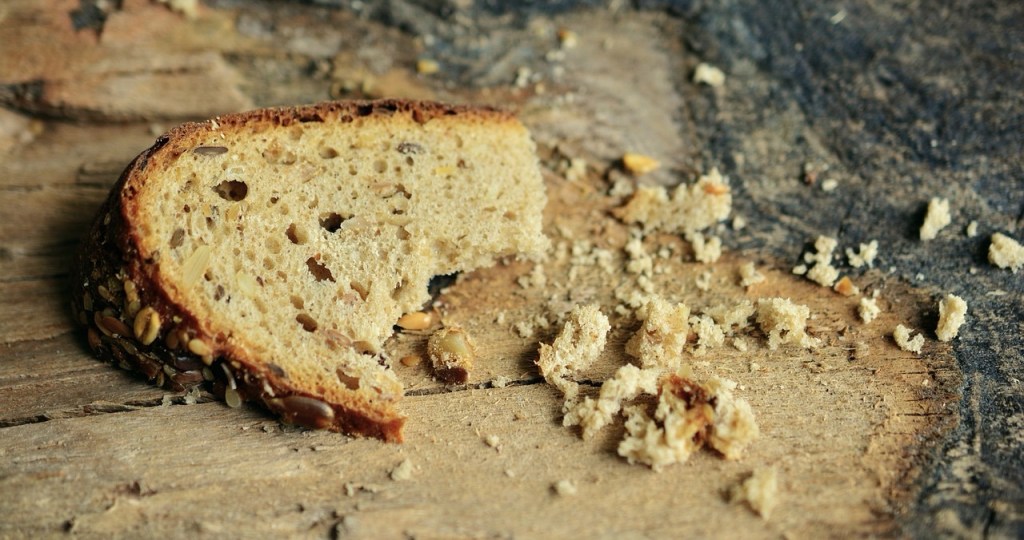
Gratitude is often held up as a healing force, a way to reconnect with what matters, to ground ourselves in moments of light during dark times. And for many of us who have lived through emotional abuse, coercive control, or simply chronic minimisation, gratitude was a kind of survival. We learned to find meaning in crumbs. We trained ourselves to focus on what we had, because asking for more felt dangerous.
But there’s a line.
A very real line between gratitude and the slow, insidious internalisation of a perpetrator’s story, the one that tells you:
“You want too much.”
“You’re too needy.”
“Why can’t you just be grateful?”
These messages don’t always come with raised voices. Sometimes they come with a sigh. A glance. A withdrawn gesture. Sometimes they’re said aloud. Other times, they just become your own voice, repeating in your head, soft and persistent, keeping you small.
When Gratitude Becomes a Cage
True gratitude is expansive. It connects us to joy, to others, to ourselves. But survival-based gratitude, the kind we learn in harmful dynamics, can become a form of self-silencing.
You start saying:
“It could be worse.” “At least he doesn’t hit me.” “She means well.” “I should just be thankful.”
But what if those statements are just polite translations of fear?
What if “being grateful” is actually masking the loss of your own needs, boundaries, and worth?
Wanting Isn’t the Problem
In abusive or controlling relationships, wanting becomes risky. Wanting respect. Wanting rest. Wanting to be heard.
All of these can be weaponised and reframed as selfishness.
So we shrink. We cope. We stop wanting out loud.
But here’s the truth:
You are allowed to want more.
More peace. More support. More truth. More than crumbs.
That isn’t greed. That’s recovery.
A New Kind of Gratitude
Healing doesn’t mean abandoning gratitude, but it means choosing a different kind.
Not gratitude that keeps you quiet, but gratitude that fuels your voice.
Gratitude for:
The moment you saw through the manipulation. The people who reflect your truth back to you. Your own clarity, your refusal to keep shrinking.
Gratitude and power. Gratitude and grief. Gratitude and rage.
You’re not too much.
You were just taught to feel small by someone who feared your bigness.
You can hold both:
Gratitude for surviving — and a fierce refusal to stay in stories that shame you for wanting more.
Support & Resources
If any part of this article resonates with your experience, know that you are not alone — and you are not “too much.” Below are trusted organisations that can support you:
📞 Immediate Support
National Domestic Abuse Helpline (Refuge) – 24/7 free and confidential www.nationaldahelpline.org.uk Call 0808 2000 247 Women’s Aid Live Chat – Confidential chat with trained support workers chat.womensaid.org.uk Men’s Advice Line – Support for male survivors of domestic abuse 🔗 www.mensadviceline.org.uk Call 0808 801 0327
🛠️ Legal & Safety Tools
Rights of Women – Legal support on family law, DA, housing, and immigration www.rightsofwomen.org.uk Various legal helplines depending on issue (listed on website) The Survivor’s Handbook (Women’s Aid) – Practical guide to leaving abuse www.womensaid.org.uk/the-survivors-handbook Bright Sky App (Hestia) – Discreet app with support info and a secure journal www.hestia.org/brightsky Disguised app icon, safety-checked for those in unsafe environments.

 Stride Mental Health