
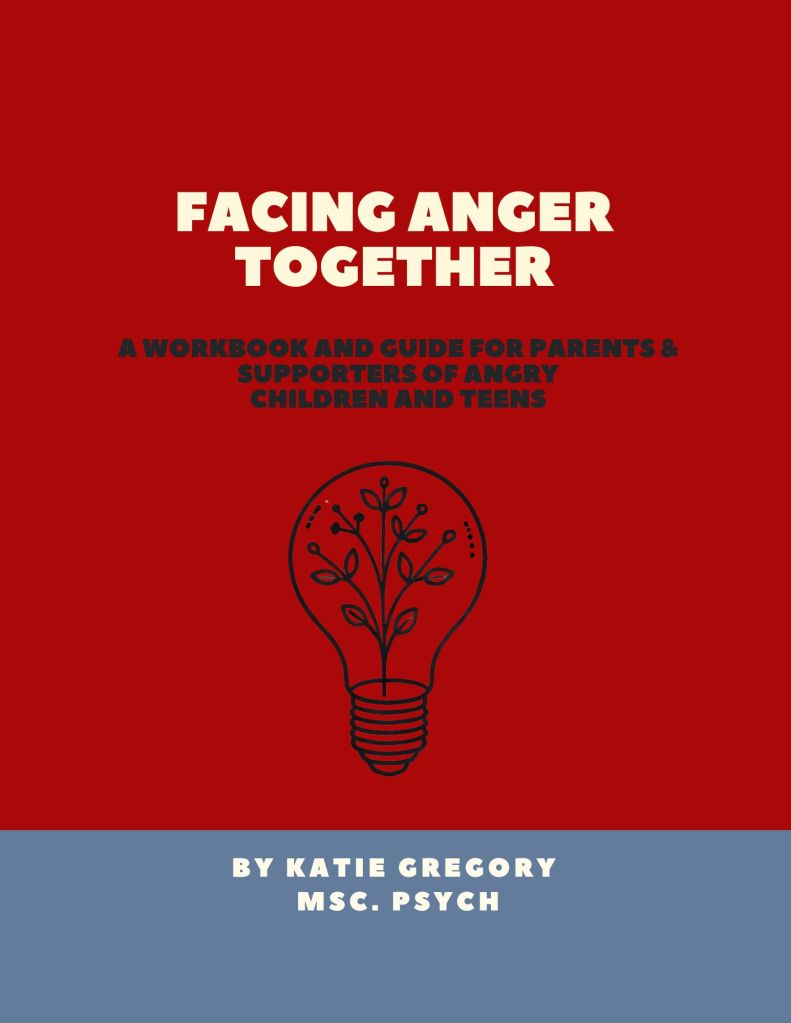
Facing Anger Together: Empowering Parents & Supporters of Angry Children and Teens

Is your child or teen often overwhelmed by anger? Do these outbursts affect your familyโ€™s harmony, leaving you feeling frustrated, helpless, or unsure of how to respond?

Youโ€™re not aloneโ€”and thereโ€™s support available.

Weโ€™re excited to announce the release of Facing Anger Together: A Workbook and Guide for Parents & Supporters of Angry Children and Teens, now available on Amazon!


๐Ÿ’ฅ Why This Book Matters

Unmanaged anger doesnโ€™t just impact the individual childโ€”it can ripple through the entire family dynamic. Power struggles, emotional distance, and repeated conflicts can leave both parents and children feeling stuck in cycles of frustration.

But hereโ€™s the good news: anger isnโ€™t the problemโ€”itโ€™s the signal. And with the right tools, you can decode whatโ€™s beneath the surface and respond in ways that heal, not harm.

Facing Anger Together is more than just a guide to “managing behaviour.” Itโ€™s a roadmap for building stronger emotional connections, fostering trust, and creating a family environment where every emotion, even anger, has a safe space to be understood and expressed.


๐ŸŒฑ Whatโ€™s Inside the Workbook?

Facing Anger Together combines evidence-based strategies with practical activities designed to help both you and your child navigate anger in healthier, more constructive ways.

Hereโ€™s what youโ€™ll find inside:

๐Ÿ” Empirical Information & Proven Interventions

Grounded in research and real-world experience, this guide offers time-tested strategies to help you understand the root causes of your childโ€™s anger. Learn how trauma, unmet needs, and systemic stressors contribute to emotional dysregulationโ€”and discover practical interventions to create lasting emotional growth.

๐ŸŽจ Creative Expression: Colouring Pages & Journaling Spaces

Sometimes, words arenโ€™t enough. Thatโ€™s why weโ€™ve included creative activities like colouring pages and reflective journaling spaces to help children and teens process their feelings in a calming, therapeutic way. These tools encourage emotional expression while providing a safe outlet for self-reflection.

๐Ÿ‘ฆ๐Ÿ‘ง Adaptable Strategies for Ages 10โ€“18

Whether your child is navigating the turbulence of early adolescence or the complex emotional landscape of their teenage years, this guide offers flexible approaches tailored to meet their developmental needs. No one-size-fits-all adviceโ€”just adaptable tools for real families.

๐Ÿค Connection-Based Approaches

At its core, Facing Anger Together is about connection over correction. Youโ€™ll learn how to strengthen the bond with your child, create emotional safety, and respond to anger with empathy instead of escalation. Discover practical ways to build trust, foster resilience, and ensure your child feels truly seen and heard.

๐Ÿ—ฃ๏ธ Real-Life Scenarios & Practical Solutions

Not sure how to respond when emotions run high? This guide features relatable, real-life examples with step-by-step strategies you can use immediately. Gain the confidence to support your child through even the toughest moments, with clarity and compassion.


โค๏ธ Why Facing Anger Together Is Different

This isnโ€™t just a book about managing outbursts or enforcing rules. Itโ€™s a guide to understanding the “why” behind the anger, exploring how systemic factors, relational dynamics, and emotional unmet needs play a role.

Through reflective exercises, practical tools, and creative activities, youโ€™ll be equipped to:

  • Decode anger as a symptom, not the problem.
  • Model healthy coping strategies for emotional regulation.
  • Repair ruptures in relationships with compassion and accountability.
  • Empower your child to navigate their emotions in constructive ways.

Whether youโ€™re a parent, caregiver, teacher, or mental health professional, this workbook is designed to help you support the young people in your life with empathy, understanding, and evidence-based tools.


๐Ÿ“š Ready to Get Started?

If youโ€™re ready to move beyond frustration, power struggles, and emotional overwhelm, Facing Anger Together is here to guide you.

๐ŸŒŸ Available now on Amazon: Facing Anger Together: A Guide and Workbook for Parents & Supporters of Angry Children and Teens ๐ŸŒŸ

Give your family the tools to turn anger into an opportunity for growth, connection, and resilience.https://amzn.eu/d/g3uGSp0
Supporting Families When Mental Health Services Are Stretched: Practical Solutions for Parents

In today’s fast-paced world, mental health services are under immense pressure. Waiting lists are growing, resources are stretched thin, and many families find that their children and teens donโ€™t meet the high thresholds required for formal intervention. Yet, these young people and their families are still struggling, needing support and guidance that can feel out of reach.

As the demand for services continues to rise, it’s becoming increasingly important to explore alternative ways of providing families with the help they need. Thatโ€™s where practical, home-based solutions can play a vital role.

The Gaps in Mental Health Support for Young People

One of the biggest challenges faced by parents today is the gap between needing help and accessing it. Mental health services, particularly for children and teens, often have strict thresholds that must be met for families to receive formal support. For those who donโ€™t meet these criteria, it can be a frustrating and isolating experience, knowing something is wrong but not having access to the right tools or professional interventions to address it.

This gap leaves many families feeling stuckโ€”unable to access services yet still witnessing their childโ€™s struggles with anxiety, emotional regulation, or relationship difficulties. The reality is that while their concerns may not meet the threshold for clinical intervention, they are still very real and deserve attention.

How Can Parents Step In?

Given the pressures on mental health services, it’s essential to equip parents with practical, effective tools that they can use at home. Our resources, designed specifically for parents to use with their children and teens, offer a solution to bridge this gap. These resources are not just about temporary fixes; they are structured around long-term strategies that promote emotional well-being, resilience, and healthy communication within the family.

The key to our resources is their focus on systemic and trauma-informed approaches. Rather than viewing mental health as something to be treated solely by professionals, the guides encourage parents, schools and the community to take an active role in the healing and growth of their families. By understanding the family as a system, parents can better identify the patterns and dynamics that may be contributing to their childโ€™s struggles, and work to create positive, lasting change together.

Why a Systemic Approach Matters

Thinking systemically means understanding that a young person’s mental health is not just an individual concernโ€”itโ€™s something that affects and is affected by the entire family. When a child or teen is struggling, it impacts the whole family dynamic, from communication patterns to emotional balance. The interventions in your guides help parents to address these broader dynamics, creating a more supportive environment where everyone can thrive.

This holistic approach is essential, especially when families cannot access formal services. It empowers parents to take steps that can prevent problems from escalating, while also reinforcing the familyโ€™s ability to navigate challenges together.

Filling the Gap When Services Are Stretched

In a time when services are overwhelmed, our resources provide a critical lifeline for parents who might otherwise feel powerless to support their childโ€™s mental health. They offer structured, therapeutic activities that parents can integrate into their daily lives, building emotional resilience and improving communication in a way that is both manageable and effective.

For families who donโ€™t meet service thresholds or are facing long waiting times, these guides act as a proactive solution, helping them navigate their child’s needs with confidence. Instead of waiting for things to get worse, parents can use these interventions to address issues early on, potentially reducing the need for more intensive services later.

A Lifeline for Families

In this challenging landscape, providing parents with practical, easy-to-use resources can make all the difference. Our resources offer families the opportunity to take control of their mental health journey, addressing concerns in a proactive, collaborative way. While they may not replace professional services, they fill a vital gap for those who are waiting or unable to access formal intervention.

At a time when mental health services are stretched to their limits, these guides offer a lifeline, empowering parents to step in and make meaningful changes for the well-being of their children and the entire family. By focusing on connection, communication, and systemic thinking, these resources can help families create a stronger foundation for long-term mental and emotional health.

Investing in these tools means investing in your familyโ€™s collective well-beingโ€”an essential step in navigating the challenges of todayโ€™s mental health landscape.