Is your child or teen often overwhelmed by anger? Do these outbursts affect your family’s harmony, leaving you feeling frustrated, helpless, or unsure of how to respond?
You’re not alone—and there’s support available.
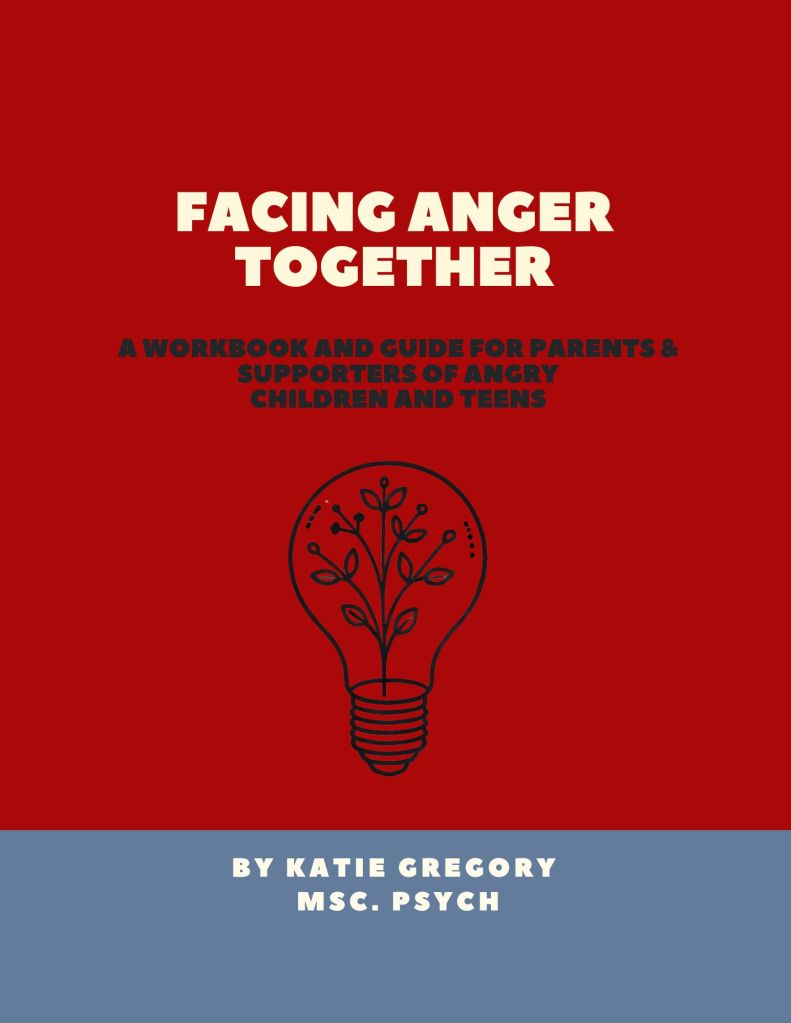
We’re excited to announce the release of Facing Anger Together: A Workbook and Guide for Parents & Supporters of Angry Children and Teens, now available on Amazon!
💥 Why This Book Matters
Unmanaged anger doesn’t just impact the individual child—it can ripple through the entire family dynamic. Power struggles, emotional distance, and repeated conflicts can leave both parents and children feeling stuck in cycles of frustration.
But here’s the good news: anger isn’t the problem—it’s the signal. And with the right tools, you can decode what’s beneath the surface and respond in ways that heal, not harm.
Facing Anger Together is more than just a guide to “managing behaviour.” It’s a roadmap for building stronger emotional connections, fostering trust, and creating a family environment where every emotion, even anger, has a safe space to be understood and expressed.
🌱 What’s Inside the Workbook?
Facing Anger Together combines evidence-based strategies with practical activities designed to help both you and your child navigate anger in healthier, more constructive ways.
Here’s what you’ll find inside:
🔍 Empirical Information & Proven Interventions
Grounded in research and real-world experience, this guide offers time-tested strategies to help you understand the root causes of your child’s anger. Learn how trauma, unmet needs, and systemic stressors contribute to emotional dysregulation—and discover practical interventions to create lasting emotional growth.
🎨 Creative Expression: Colouring Pages & Journaling Spaces
Sometimes, words aren’t enough. That’s why we’ve included creative activities like colouring pages and reflective journaling spaces to help children and teens process their feelings in a calming, therapeutic way. These tools encourage emotional expression while providing a safe outlet for self-reflection.
👦👧 Adaptable Strategies for Ages 10–18
Whether your child is navigating the turbulence of early adolescence or the complex emotional landscape of their teenage years, this guide offers flexible approaches tailored to meet their developmental needs. No one-size-fits-all advice—just adaptable tools for real families.
🤝 Connection-Based Approaches
At its core, Facing Anger Together is about connection over correction. You’ll learn how to strengthen the bond with your child, create emotional safety, and respond to anger with empathy instead of escalation. Discover practical ways to build trust, foster resilience, and ensure your child feels truly seen and heard.
🗣️ Real-Life Scenarios & Practical Solutions
Not sure how to respond when emotions run high? This guide features relatable, real-life examples with step-by-step strategies you can use immediately. Gain the confidence to support your child through even the toughest moments, with clarity and compassion.
❤️ Why Facing Anger Together Is Different
This isn’t just a book about managing outbursts or enforcing rules. It’s a guide to understanding the “why” behind the anger, exploring how systemic factors, relational dynamics, and emotional unmet needs play a role.
Through reflective exercises, practical tools, and creative activities, you’ll be equipped to:
- Decode anger as a symptom, not the problem.
- Model healthy coping strategies for emotional regulation.
- Repair ruptures in relationships with compassion and accountability.
- Empower your child to navigate their emotions in constructive ways.
Whether you’re a parent, caregiver, teacher, or mental health professional, this workbook is designed to help you support the young people in your life with empathy, understanding, and evidence-based tools.
📚 Ready to Get Started?
If you’re ready to move beyond frustration, power struggles, and emotional overwhelm, Facing Anger Together is here to guide you.
🌟 Available now on Amazon: Facing Anger Together: A Guide and Workbook for Parents & Supporters of Angry Children and Teens 🌟
Give your family the tools to turn anger into an opportunity for growth, connection, and resilience.https://amzn.eu/d/g3uGSp0
 Stride Mental Health